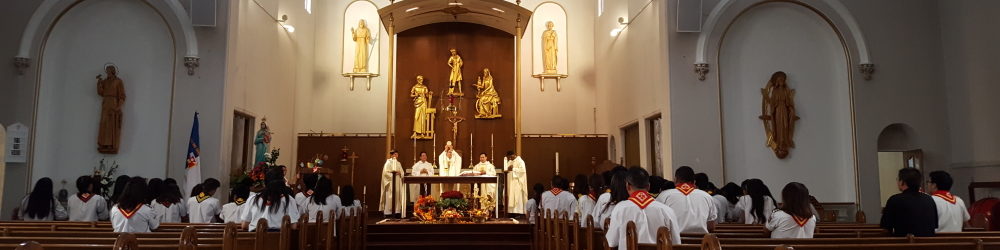
In the Catholic Church, we are richly blessed with many visible signs that lift our hearts and minds to God. Two terms often cause confusion—Sacraments and Sacramentals. Though they sound similar, they serve different purposes in the life of faith.
The Sacraments: Instituted by Christ
The Sacraments are the seven great channels of grace instituted directly by Jesus Christ. They are:
- Baptism
- Confirmation
- Eucharist
- Penance (Confession)
- Anointing of the Sick
- Holy Orders
- Matrimony
Through the Sacraments, God Himself acts in a visible way to pour out His saving grace upon us. For example:
- In Baptism, water cleanses us of original sin and makes us children of God (John 3:5).
- In the Eucharist, Jesus gives us His Body and Blood as true food and drink (John 6:53–56).
- In Confession, sins are forgiven through the words of Christ spoken by the priest (John 20:22–23).
The Sacraments are not human inventions or symbolic gestures—they were instituted by Christ and are necessary for our salvation. Each confers grace by its very action (ex opere operato), because it is Christ who works in them.

Sacramentals: Signs that Prepare Us for Grace
Sacramentals, on the other hand, are sacred signs instituted by the Church. They do not confer grace in the same way as the Sacraments, but they dispose us to receive God’s grace more fruitfully and turn our hearts toward Him.
Examples of sacramentals include:
- The Sign of the Cross
- Holy Water
- Blessed candles, rosaries, and medals
- Scapulars
- Prayers such as blessings and exorcisms
Sacramentals work through the faith and devotion of the one using them, and through the prayers of the Church. They remind us of God’s presence, protect us from evil, and stir our hearts to holiness.
Scripture also gives us glimpses of sacramental-like actions:
- The use of holy water recalls Numbers 5:17, where water was used for purification.
- The sign of the cross echoes Ezekiel 9:4, where God’s people were marked on the forehead for protection.
- The woman healed by touching Jesus’ garment (Mark 5:27–29) shows how God works even through material things when faith is present.
Bringing It Together
In short:
- Sacraments are instituted by Christ, necessary, and give grace directly.
- Sacramentals are instituted by the Church, and they bring us closer to our faith, dispose us to receive grace, and help us in our journey of salvation.
Both are gifts of God’s love. The Sacraments strengthen us with saving grace, while sacramentals surround our daily life with reminders of God’s presence, guiding us to live as children of the Kingdom.
When we bless ourselves with holy water, wear a scapular, or light a blessed candle, we are not practicing superstition—we are using the helps that Mother Church wisely gives us to live closer to Christ. Let us cherish both the Sacraments and the sacramentals, allowing them to sanctify our lives and draw us ever deeper into God’s saving mystery.
“So whether you eat or drink, or whatever you do, do all to the glory of God.” (1 Corinthians 10:31)
The post The Difference Between Sacraments and Sacramentals appeared first on NOVENA PRAYER.